What are colours? How are they created?
The colours we see with our eyes are fantastic and unique, but when we try to capture that moment, the colours don't seem to be exactly the same on the monitor or when printed. Why does this happen?
There are various factors that influence how a colour is transmitted to us.
In this article, we explain how it is actually created.
Definition of
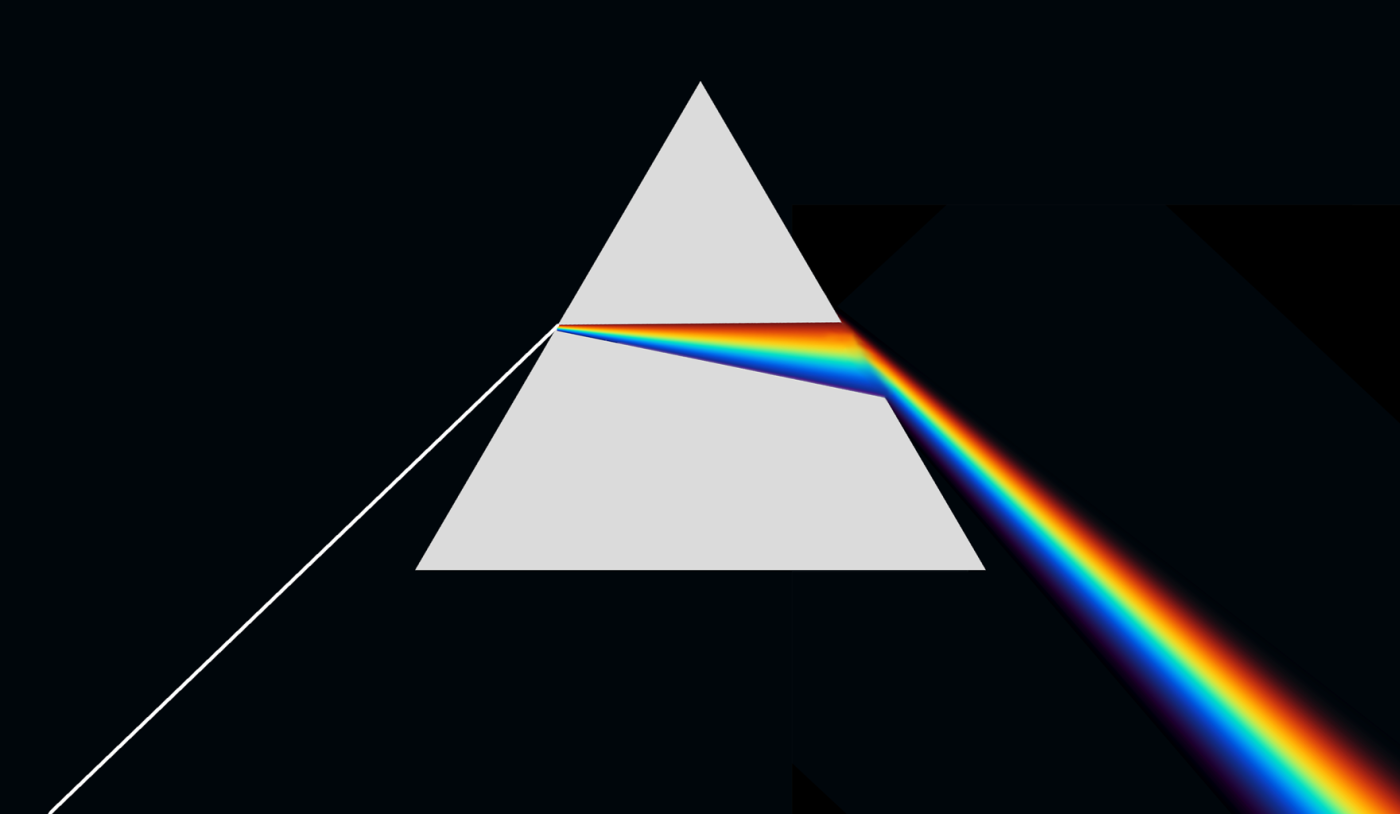
Simply put, colours are light. There are huge amounts of radiation, i.e. electromagnetic waves, all around us. These waves always come from one source, the best known being the sun. Radiation can be differentiated by wavelength.
A large proportion of the radiation present cannot be seen, as the human eye is only designed to detect radiation of 380 nm and 780 nm. This range is referred to as "visible light".
However, what we see is not a colour; the eye only records radiation. Receptors in the eye record the intensity of the radiation and send this information to the brain, which returns the corresponding colour during processing. So we don't see colours with our eyes, but the brain uses the eyes to record them so that the colours can be visualised in our head.
Colours are always relative
As already mentioned, various factors influence the way we see a particular colour. We start with the first: the human factor.
Human factor

Grundsätzlich hat jeder Mensch unterschiedliche Empfindungen, die Farben zu sehen. Manche denken, dass eine bestimmte Farbe zu heiß ist oder andere denken, dass es zu kalt ist.
Es ist nicht nur eine Frage des Geschmacks, sondern bestimmte Aspekte wie Geschlecht, Alter, allgemeine Gesundheit und andere können beeinflussen, wie Menschen die Farben sehen.
Surface
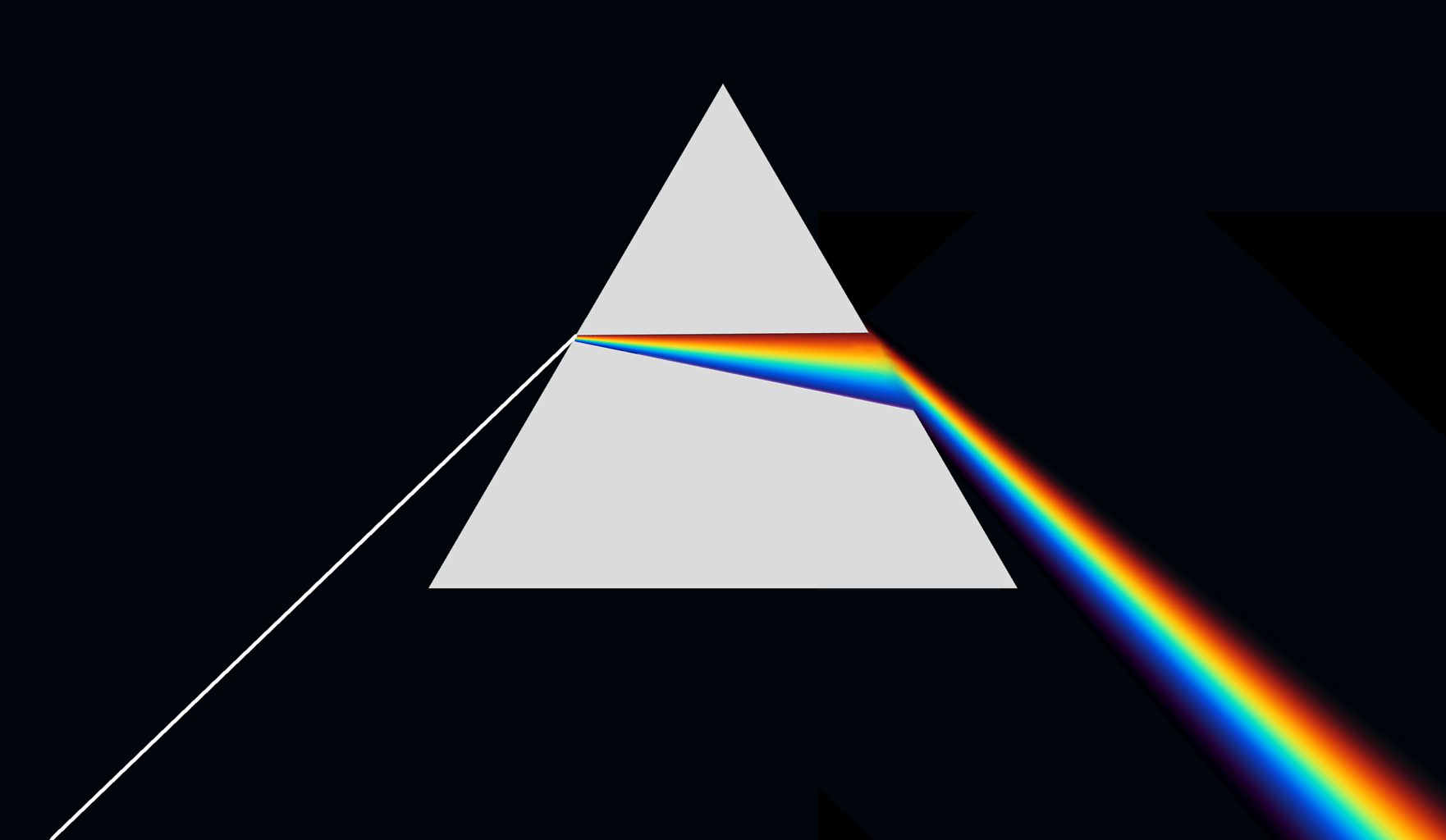
Die Oberfläche des Objekts ist ein zweiter Faktor, der die Farbe beeinflusst. Weißes Licht enthält die bereits erwähnten Farbspektren (sichtbares Licht – 380 nm bis 780 nm)
Jedes Objekt hat verschiedene Oberflächen, die die Lichtspektren manipulieren, welche auf sie einfallen. Wenn das weiße Licht das Objekt erreicht, absorbiert es bestimmte Teile des Lichts und reflektiert oder weist andere zurück.
Zum Beispiel absorbiert ein Blatt die gesamte Menge des Strahlungsspektrums und reflektiert nur die Strahlung, die in unserem Gehirn der grünen Farbe entspricht.
Kurz gesagt, Objekte haben keine unterschiedlichen Farben, sondern unterschiedliche Oberflächen.
Light
The third factor is light. If you are in a dark room with no light, can you see the colour of the objects? The answer is obvious.
As already explained, in order for our eyes to perceive the colour of an object, the object must first reflect the corresponding radiation. Now, without radiation (without light), the object cannot do this. That is why we cannot see colours in the dark.
Do we need any kind of light to see the "real" colours of an object? In fact, we need a natural white light, such as that coming from the sun, to best perceive the colours.
There are many light sources that have a different colour temperature, which can influence the way we see colours.
For example: sunlight is not the same as the light from a lamp.
One reddish Colour has a temperature of 1000 Kelvin. 10000 Kelvin corresponds to a bluish Light. Daylightwhich is neutral, has a colour temperature of 5000 Kelvin.
This difference in how we see colours depending on their temperature is known as the metamerism effect.
We conclude this article by stating that capturing and perceiving colours is not an easy subject and that many factors need to be taken into account in order to achieve an optimal and satisfactory result.
The good news is that today there are devices that are specially equipped to circumvent these factors. Your printolino-team ensures that at least the Colours on the screen and the printed colours match and you get your picture in the most natural colour.